














Before the first cold night hits, take twenty minutes to check on your fireplace. A quick inspection now can mean the difference between cozy evenings all winter and an emergency call in December.
Whether you have a gas, electric, or wood-burning fireplace, running through a simple fireplace maintenance checklist in September pays off for the whole season. Here’s what to check, and when it’s time to call in a professional.
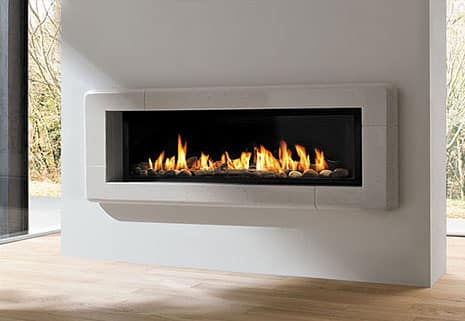
Gas fireplaces: check before you light it for the first time
If your gas fireplace has been sitting unused since spring, don’t just flip it on and assume everything’s fine.
- Vents and venting. Check outdoor vents for nests, debris, or blockages — a surprisingly common issue after a summer of disuse.
- Glass and gaskets. Look for cracks, cloudiness, or a seal that no longer sits flush. A damaged gasket lets heat escape and can affect combustion.
- Pilot light and ignition. If the pilot won’t stay lit or the ignition seems weak, that’s worth a professional look before winter, not after.
- Smell test. Any lingering gas smell means stop immediately and call a technician. This isn’t a wait-and-see situation.
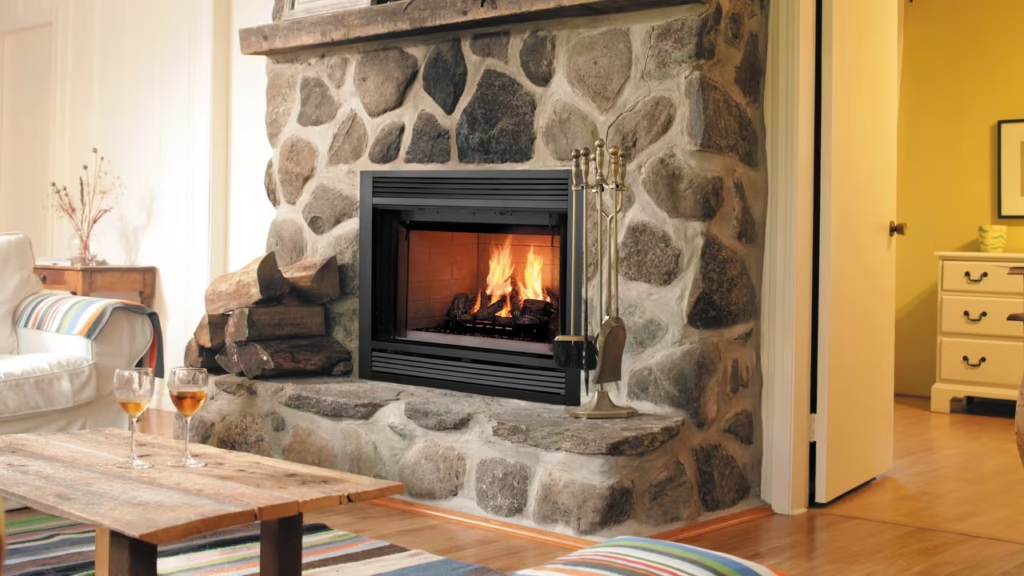
Wood-burning fireplaces: the chimney matters most
A wood-burning fireplace depends entirely on a clean, structurally sound chimney. Creosote buildup from last season’s fires is a real fire risk, and it only gets worse with the first few burns of a new season.
A professional chimney sweep and inspection once a year is the standard recommendation — and early fall, before anyone’s actually burning wood yet, is the easiest time to book one. Wait until October and you’re competing with everyone else who had the same idea.
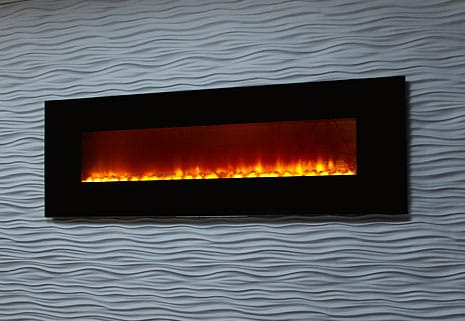
Electric fireplaces: the easiest check of the three
If flexibility and low maintenance are why you chose an electric fireplace, the pre-winter check reflects that. Wipe down the unit, confirm the outlet and cord show no wear, and run it for a few minutes to make sure the flame effect and heat function both work as expected. That’s most of it.
When “maintenance” turns into “replacement”
Sometimes an inspection turns up more than a cleaning — a cracked heat exchanger, a chimney liner that’s failing, or a unit old enough that parts are no longer available. If that’s the situation you’re in, it’s worth treating it as an opportunity rather than a setback.
Fireplace efficiency has improved substantially over the past decade. A unit installed 15-20 years ago is very likely operating well below what current models offer — meaning a replacement often pays for part of itself in efficiency alone, on top of solving whatever prompted the inspection in the first place.
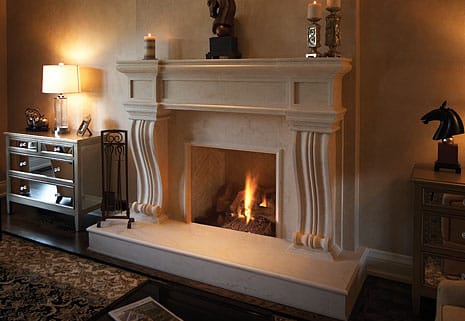
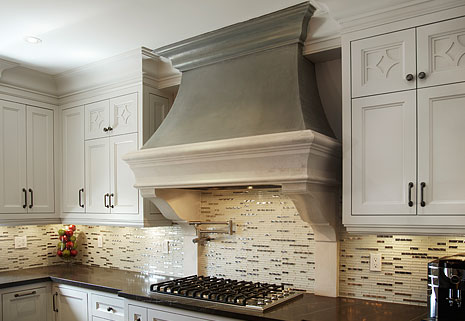
If a fireplace replacement also means updating the surround, we can help with both at once. As the only dealer in the GTA offering fireplaces and custom cast stone mantels under one roof, we coordinate that timeline so you’re not managing two separate projects.
A simple pre-winter checklist
- Inspect visually. Glass, gaskets, vents, and — for wood fireplaces — the visible parts of the chimney.
- Test it. Light a gas fireplace briefly, or run an electric unit through its functions, well before you actually need it.
- Book a professional if anything looks off. Don’t wait until the first cold snap, when everyone else has the same idea.
- Consider the age of your unit. If it’s original to an older home or hasn’t been serviced in years, an inspection is also a good moment to ask about replacement options.
Not sure where your fireplace stands? Visit our Woodbridge showroom to talk through what you’re seeing, or request a quote if you already suspect it’s time for something new.